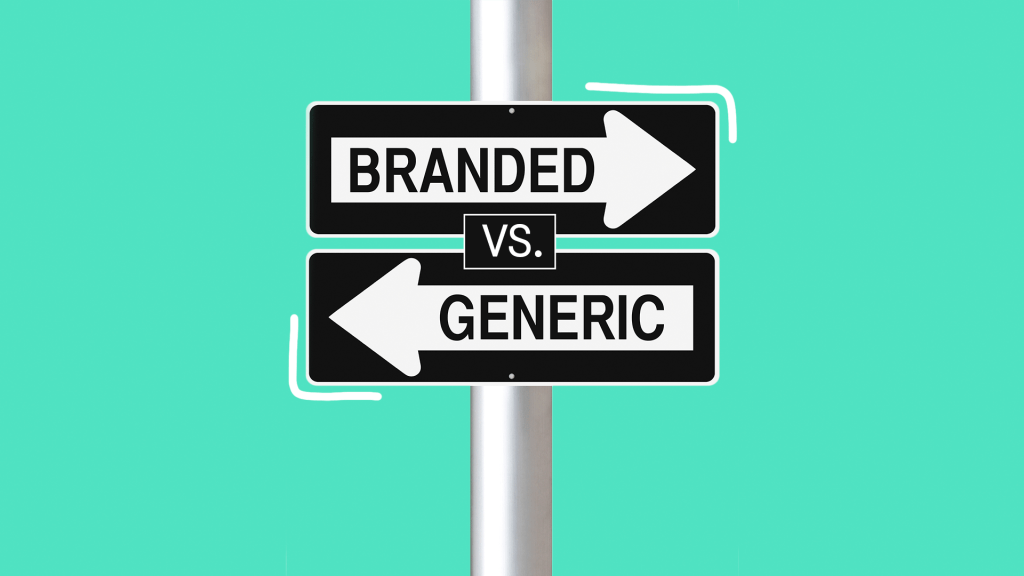
Generic drugs are the medicines with same active pharmaceutical ingredient and similar therapeutic action as that of brand. They don’t look exactly alike in terms of color, size, shape and packaging, but must have the same strength, dose, route of administration, and active ingredient(s) as of branded drugs. Also, bio-equivalency of these drugs is FDA approved. When the patent of original drug expires, different producers copy and market their own renditions of the medication. Since the manufacture of these conventional medications doesn’t include a repetition of the extensive clinical preliminaries to prove their security and adequacy, it costs less as compared to branded drugs.
Despite all these facts, there are some misconceptions about generic drug among common masses:
| What people think | Reality |
| Generic drugs are most likely to cause adverse effects. | Prior to delivering conventional drug to the market, screening for harmful reaction of drug is done by FDA. It has been evident on basis of studies that the generic drugs show similar response as of branded drug. |
| Generic does not meet the quality and are not as safe as brand-name drugs. | The FDA ensures that all medications (Generic and branded) are safe and efficacious |
| All branded drugs have generic counterparts. | This does not apply for all branded drugs. Once new drug is manufactured, it is protected from manufacturing and selling through patent (as per the Patent Act, 1970). After expiration of patent, other manufacturers can start selling generic version of drug after FDA approval. |
| Generic drugs are cheaper, so they would be less efficacious as compared to branded drugs. | Branded medicines are generally promoted or publicized. Consumers used to buy medicines which are advertised and they find it difficult to purchase and trust the potency of generic medicine. |

 Healthcaution